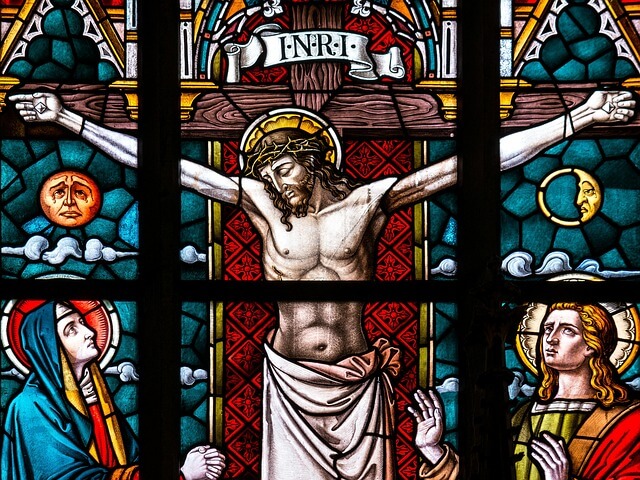
We who are strong ought to bear with the failings of the weak and not to please ourselves. Each of us should please our neighbors for their good, to build them up. For even Christ did not please himself but, as it is written: “The insults of those who insult you have fallen on me.” For everything that was written in the past was written to teach us, so that through the endurance taught in the Scriptures and the encouragement they provide we might have hope.
Paul has just finished teaching the people about loving your brother when it comes to disputable matters. Don’t cause him to stumble or go against his conscience. Love your brother and build him up. Bear with them in their weakness and immaturity.
Then Paul writes this text. If we are strong, we ought not to condemn the weak, but to bear with their failings and immaturity. Because this is what Christ did.
“The insults of those who insult you have fallen on me” (v. 3).
This is a quote from Psalm 69:9 and was seen as prophetic in nature of the Messiah. The Messiah took the insults in order to bear with the weakness and failings of the people at the time in order that some would see. And they did.
Paul then goes on to say that these kinds of Scriptures were written to give encouragement and hope. This is interesting.
1) Hope is rooted in Scripture.
This seems obvious. But if we examine the hope that we have, it is often more tied into the things we desire and long for and hope for in our hearts. But the hope of Scripture had an eternal perspective.
2) It is meant to encourage us.
Suffering for the weakness of others has purpose. When Jesus suffered on the cross, it was with the hope and belief that some would believe, understand and know.
At the time it didn’t seem like any understood. They appeared to be celebrating his death. But we know that this wasn’t the end of the story.
Our suffering is not in vain.
In all these things, in disputable matters, there was love.
And that is something culturally we must point out. “Love” is defined as absolute tolerance of all things, including sin. This is not what this text is saying. It is not talking about sin, it is talking about matters of doctrine and practice that are not sin, but are still disputed by those of differing measures of maturity and faith.