
Throughout the history of Israel, the gods of the peoples of the land were always a stumbling block. It never ended. But what their appeal? Why would someone bow down and worship a carved stone or chunk of wood? It would seem foolish. But is it any different than today?
The gods all represented something. Accompanied with their worship was practices that appealed to the carnal desires of a man and woman’s heart – sex, money, power and belonging.
Consider the following gods and their “benefits” that the Israelites so often stumbled upon.
1. Baal (Canaanite storm & fertility god)
-
Appeal:
-
Promised rain for crops, fertile livestock, and many children.
-
Worship involved having sex with the temple prostitues to mimic fertility in the land
-
Seen as a guarantee of agricultural wealth and prosperity.
-
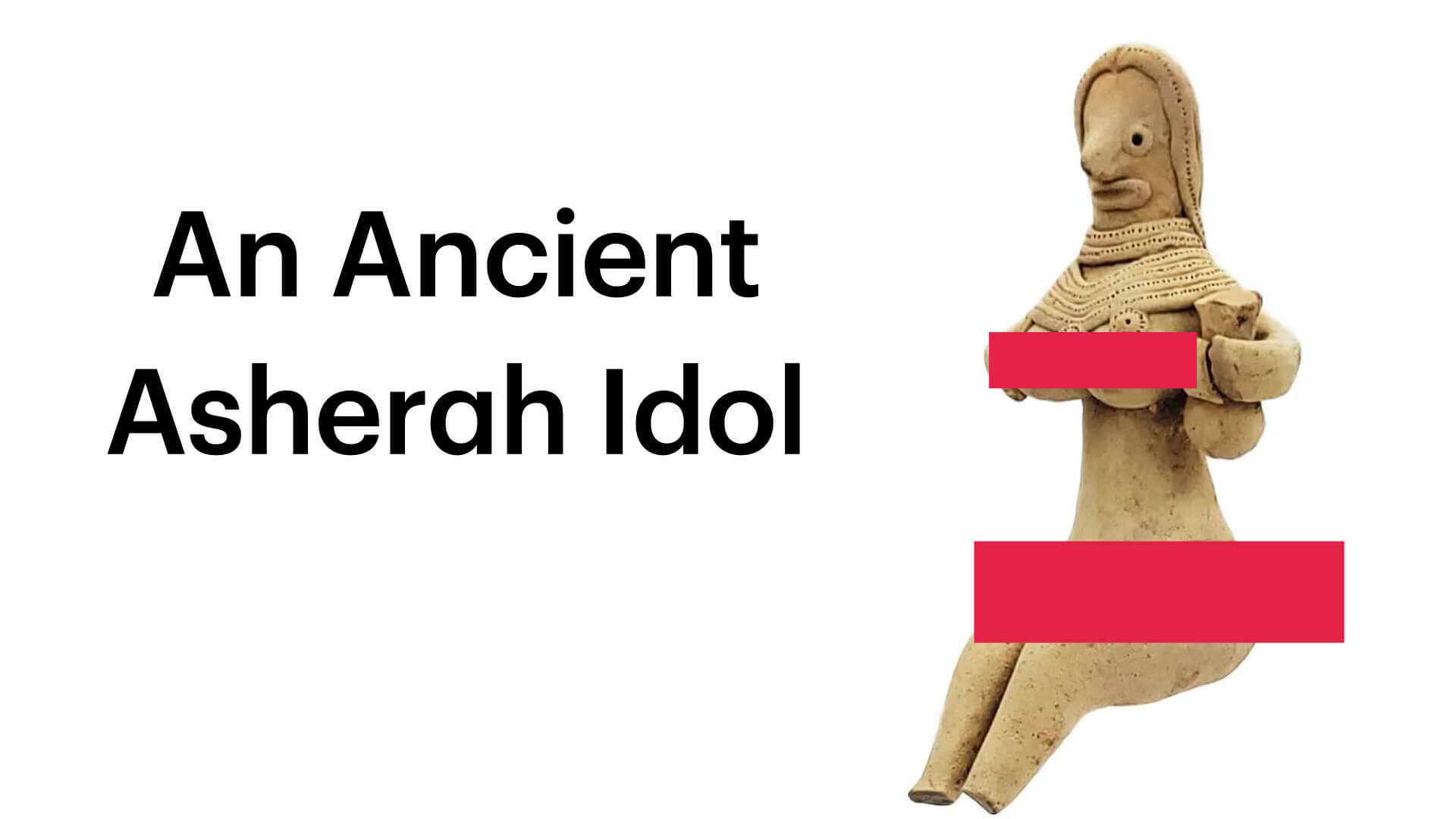
2. Asherah (Astarte / Ishtar – fertility goddess) – A goddess depicted with generous sized female parts
-
Appeal:
-
Associated with motherhood, sexuality, and fertility of land and womb.
-
Sacred poles and groves became centers for sexual rituals.
-
Gave people a sense of personal blessing and family growth.
-
3. Molech / Milcom (Ammonite god)
-
Appeal:
-
Worshipers believed that sacrificing their children (even burning them alive) would secure protection, prosperity, and victory.
-
A brutal form of “paying the highest price” to guarantee divine favor.
-
Gave a sense of power and security in desperate times.
-
4. Chemosh (Moabite god)
-
Appeal:
-
National war god promising victory in battle.
-
Likely linked to child sacrifice (like Molech).
-
Following Chemosh meant military success, political dominance, and national pride.
-
5. Bel / Marduk (Babylonian god)
-
Appeal:
-
Chief god of Babylon, tied to political power, order, and prosperity.
-
To align with Marduk meant aligning with Babylon’s success and influence.
-
Associated with astrology and magic, which gave people a sense of control over their fate.
-
6. Nebo / Nabu (Babylonian god of wisdom & writing)
-
Appeal:
-
God of scribes, literacy, and prophecy.
-
Promised knowledge, influence, and guidance for the future.
-
Appealed to elites who wanted wisdom and prestige.
-
7. Ishtar (Babylonian goddess of love & war)
-
Appeal:
-
Embodied sexuality, fertility, and military victory.
-
Worship involved ritual sex but also invoked her for battle success.
-
Appealed both to lust and ambition.
-
8. Dagon (Philistine god)
-
Appeal:
-
God of grain and fertility.
-
Promised food security and abundance.
-
Appealed to farmers and traders.
-
9. Sun, Moon, and Star Worship (Assyrian/Babylonian astral religion)
-
Appeal:
-
Promised control of destiny through astrology (Isaiah 47:13).
-
Connected to fortune-telling, horoscopes, and magical guidance.
-
Appealed to people seeking certainty in uncertain times.
-
So to sum up:
-
Baal & Asherah/Ishtar: sex + fertility + prosperity.
-
Molech & Chemosh: power + security + victory (through sacrifice).
-
Marduk & Nebo: political success + wisdom + influence.
-
Dagon: food + wealth.
-
Astral worship: destiny + fortune.
People LIKED serving these gods. It was the indulgence of sex with the promise of power and wealth. The gods did require sacrifice, but they did not require repentance and faith. Unlike the God of the Bible.
The God of the Bible says to turn from sins, and have faith in God. Not stay in one’s sins and say they are from Him. Nor to have faith in money or position.
Has anything really changed today?
We’ve removed the tangible wood and stone of the gods. That certainly was an appeal. But the false ideologies remain. With agendas and political parties and movements.
Christians are falling prey to these beliefs as well.
Solomon said there was nothing new under the sun. We all like to default to what pleases the flesh, satiates our lusts, and is the easiest.
Faith and repentance are not these.
But also we must remember God’s anger at such behaviors. These things did not please him and because of them, judgment came.
What does that mean for us?
1) We must turn from our sins and put our trust in Christ
2) We must not compromise or dilute the word of God, trying to justify sin. Sin is sin.